ボンボンアカデミー on YouTube: Nursery Songs and Hand-Play to Sing and Move Together (and How to Watch Safely)
FamilyTube channel guide #9
The ten minutes waiting for your food to arrive, a rainy afternoon when you can't go outside, that stretch before bed when there's still some energy left to burn: often the most useful thing isn't a cartoon but a song kids can clap along to. The trouble is, finding gently paced 童謡 (dōyō, Japanese nursery songs) with clear actions on YouTube usually means scrolling past a pile of clickbait titles first. If you want the classic songs kids sing at preschool, and you'd like them moving while they watch, ボンボンアカデミー (Bom Bom Academy) is well worth getting to know.
The channel focuses mainly on Japanese nursery songs, 唱歌 (shōka, classic school songs) and 手あそび (te-asobi, hand-play songs, a lot like fingerplays). There are animated うたアニメ (song animation) videos, plus 振り付き (with choreography) videos where real people demonstrate the moves. Most run one to three minutes and end when the song does. For parents who want screen time to get kids moving (including me, a dad of twins), it's a really handy songbook, as long as you know the channel also has content that has nothing to do with nursery songs, and you pick what you add.
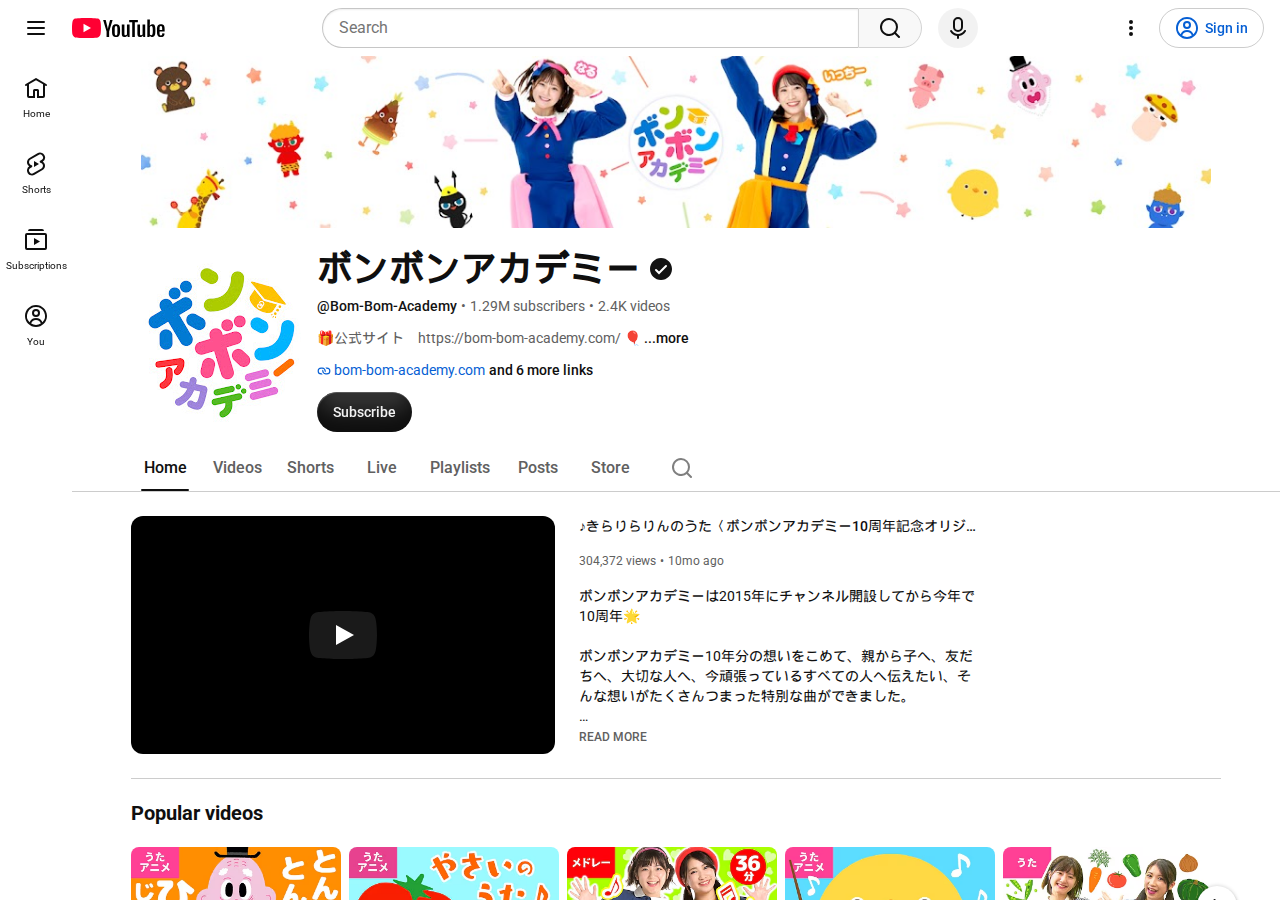
- Official channel: youtube.com/@Bom-Bom-Academy (about 1.29 million subscribers and 2,479 videos as of October 2026)
- Latest upload (October 9, 2026): "♪ぼくたちぶどう〈鈴木翼・福田翔×ボンボンアカデミーコラボ〉" (We Are Grapes, a Collab with Tsubasa Suzuki and Sho Fukuda)
What is ボンボンアカデミー?
ボンボンアカデミー is a YouTube channel built around Japanese nursery songs and hand-play. いっちー (Icchi) and なる (Naru) demonstrate the hand-play moves in person, and the channel has a very complete collection of the classics Japanese preschools sing all the time. The channel description says it's meant for 「保育士や教員の方、ご年配の方々、おうち学習」: childcare workers and teachers, older adults, and families singing together at home. In other words, it was designed from the start for grown-ups to use with kids.
As of October 2026, the channel had 2,479 videos, and its description says it updates every Friday at 3 p.m. The playlists are very well organized. For example, 日本の歌・唱歌 メドレー (Japanese Songs and School Songs Medley) has 123 videos and 手あそびメドレー (Hand-Play Medley) has 45, and there are seasonal songs too, like the autumn song 月 (The Moon), posted September 11, 2026. Recently there have also been new songs made with Tsubasa Suzuki and Sho Fukuda.
That said, lots of videos also means a real mix of content. The channel also has a dinosaur battle series called 転生恐竜 オレティラ! 恐竜バトル (Reborn Dinosaur Oretira! Dinosaur Battles), with 30 videos, plus playlists of English songs, and those go in a different direction from the nursery songs and hand-play. The overall pace is upbeat, but without a barrage of flashing effects. As long as you steer clear of those side series, the songs you'll use day to day are all in the nursery song and hand-play playlists.
Age note: The channel description doesn't list an age range for kids. My own take is that ages 0 to 5 is the sweet spot, and kids 6 and up can still dance along.
Why parents love it
1. All the preschool classics are here
From とん とん とん とん ひげじいさん (Tap Tap Tap Tap, Bearded Old Man) to やさいのうた (The Vegetable Song), these are songs kids are likely to sing at preschool. Whether you want to practice one at home ahead of time, or your child comes home humming a bit of something and you want to find the original, you can usually find it here.
2. Someone shows the moves, so kids can keep up
Hand-play is all about what your hands do. いっちー and なる show kids the moves, so parents don't have to learn them first to join in.
3. One to three minutes, easy to wrap up
Most songs are only one to three minutes, which is perfect for "just one song" moments: waiting for dinner, putting on shoes before heading out, or right before it's time to pick up toys.
4. Screen time that gets kids moving
Clapping along and copying the moves beats sitting and staring at a screen, especially for burning off energy on a rainy day. It's still screen time, but kids' bodies are moving, and parents can sing along too instead of leaving it on as background music.
My take as a twin dad
I treat Bom Bom as hand-play time: one song, one set of moves, then on to the next thing. The great thing about nursery songs is that they're short and catchy, so kids quickly start singing them on their own. After that, you can sing them together in the car or in the bath, no screen required.
My advice is to pick songs that match moments in your day. If your child isn't big on vegetables, start with やさいのうた. When fall comes around, add 月. If you want one everyone can move to, ひげじいさん is easy to pick up. Single songs make it easier to keep an eye on time; for the long メドレー (medley) videos, I'd watch them once yourself before deciding whether to add them.
To be honest, this isn't a channel you can hand over and let kids explore on their own. The nursery songs and hand-play are very gentle, but series like the dinosaur battles are a different style entirely. So I think of it as "a songbook a parent picked," not "a channel kids scroll through by themselves."
The catch: great show ≠ safe YouTube
Even a channel dedicated to nursery songs runs into the same problems once it's on YouTube: suggested videos in the sidebar, autoplay, and the comments section. Your child finishes singing やさいのうた, and the next thing YouTube recommends might be the dinosaur battle series, a long medley that plays on and on, or some other channel you've never even seen.
That's the gap FamilyTube is built for:
Kids only watch parent-approved YouTube videos.
No recommendation feed. No endless scrolling. No surprise next video.
You keep Bom Bom's nursery songs and hand-play. You drop the algorithm.
Where to start: your first week
Step 1 — Start with a hand-play song everyone knows
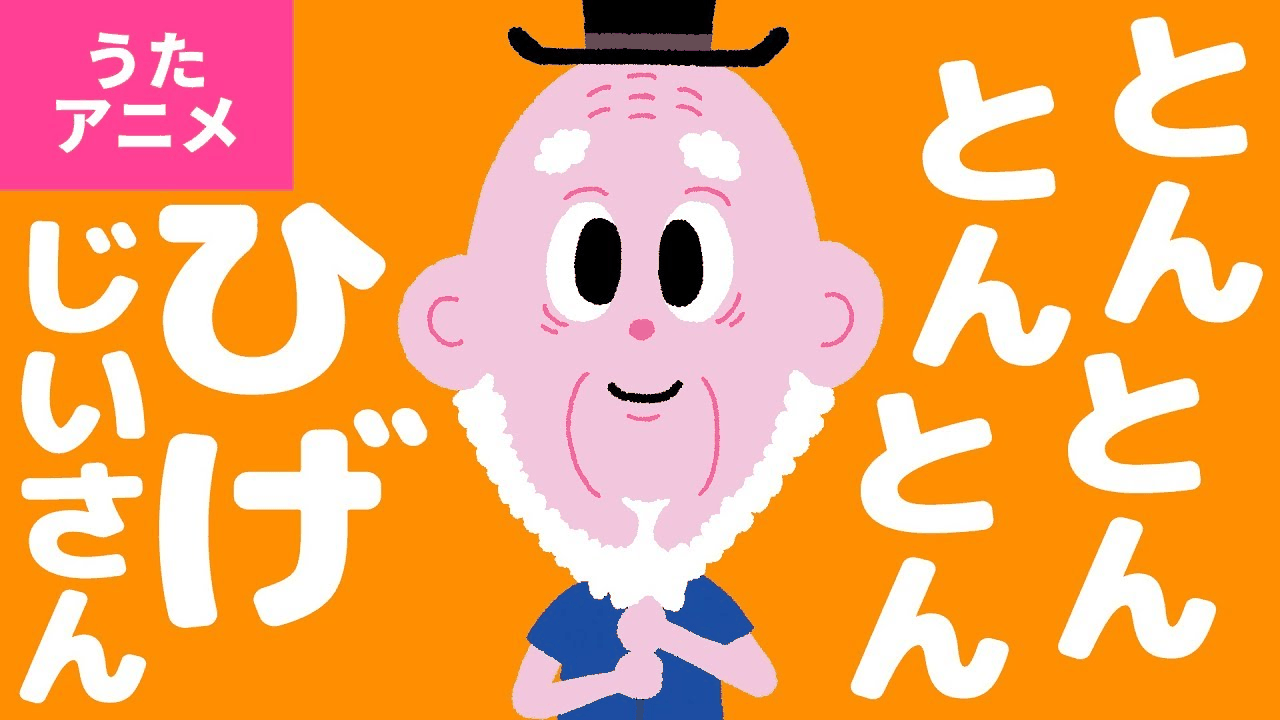
For the first one, I'd go with 【♪うたアニメ】とん とん とん とん ひげじいさん (posted September 5, 2019, with about 125 million views). It's 1 minute 50 seconds, with simple, repetitive moves, and it's one of the channel's most-watched videos. Afterward, do the moves with your child one more time, without the screen.
Step 2 — Add an everyday song and a seasonal one
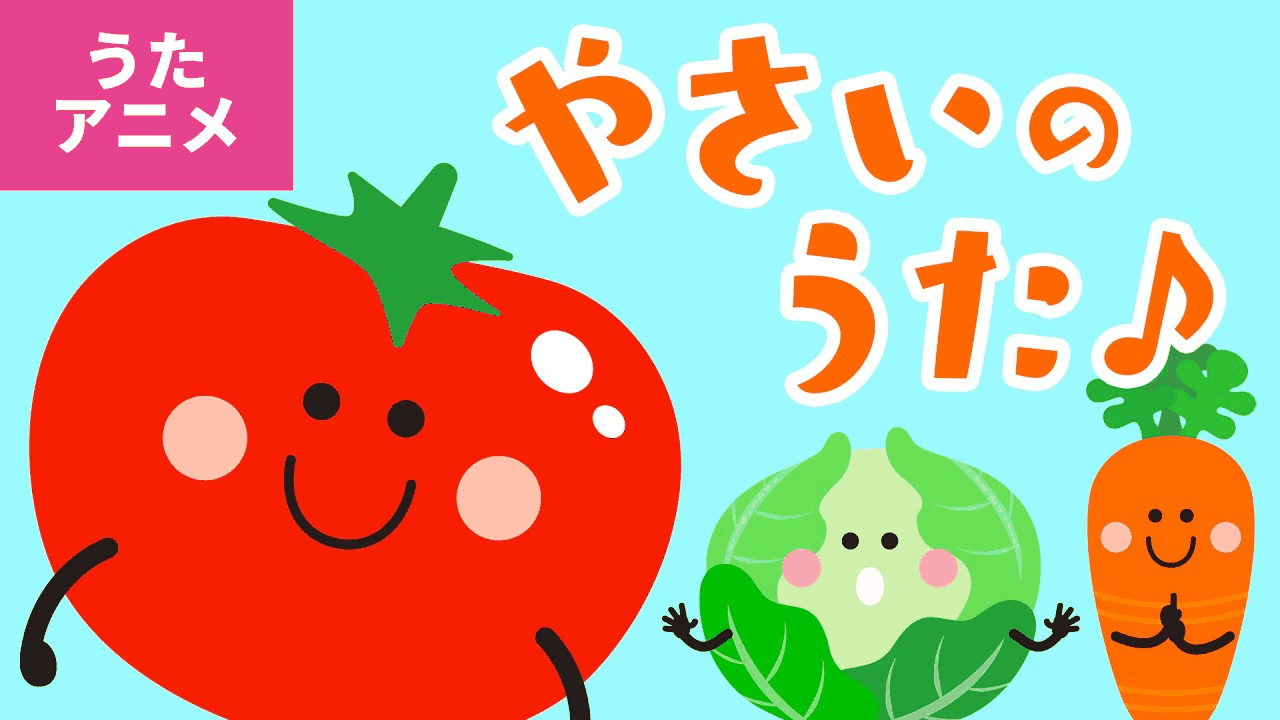
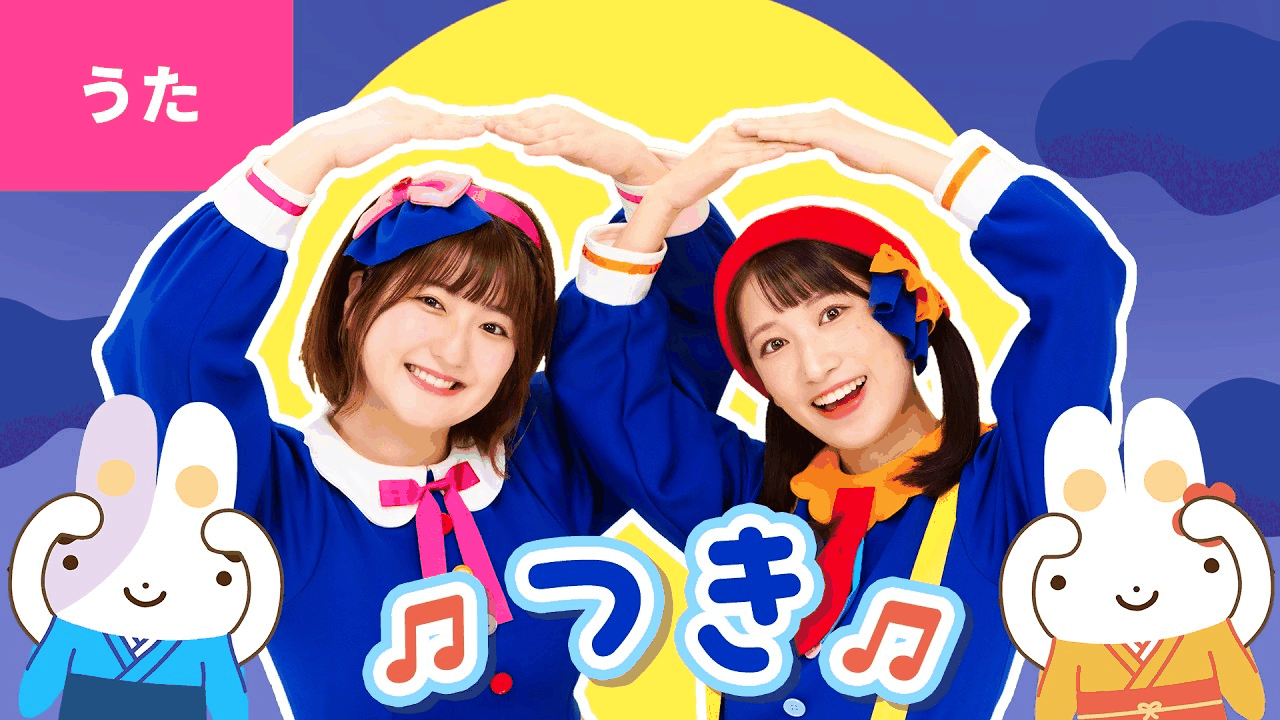
Once your child knows the first one well, add 【♪うたアニメ】やさいのうた (posted November 26, 2021, with about 94.3 million views). It's great right before a meal; when the song's over, take a look at which vegetables are on the plate. When the season's right, you can add ♪月〈振り付き〉でたでた つきが…【日本の歌・唱歌・秋のうた】 (The Moon, with Choreography: "Out Came the Moon…" [Japanese Songs, School Songs, Autumn Songs]; posted September 11, 2026; 1 minute 17 seconds), an autumn song with the moves demonstrated. Add just one at a time, and wait a few days before adding the next.
Step 3 — Preview the dinosaur battles and long medleys first
転生恐竜 オレティラ! 恐竜バトル is a series that goes in a different direction from the nursery songs. I'd skip it at first and decide after you've previewed it yourself. If your child is sensitive to fight scenes, it's perfectly fine to leave it out altogether. The same goes for the English song playlists: preview first, then decide.
The long medley videos are fine in themselves, but once they start, they go on for a long time. They're better for occasions when you've watched them ahead of time and know you have the time that day, like a mini sports day at home. For everyday gaps, a single song is still the easiest to manage.
Step 4 — Do it once more after the song
A song under three minutes plus one "no-screen version" is just right. Ask your child, "How did our hands go?" or sing the last line together one more time. After that, you can pull the song out whenever you're washing hands, picking up toys or waiting at a red light.
How to watch ボンボンアカデミー safely in FamilyTube
-
Open FamilyTube on your iPhone or iPad and go to the Parent Area.
-
First, check Recommend to see if ボンボンアカデミー is there. If it isn't, tap Search at the bottom, switch to the Search channels tab, and type the channel name, ボンボンアカデミー.
-
Once you open the channel, you can see every video on the Videos tab, or switch to Playlists to browse by topic. ボンボンアカデミー has playlists like 日本の歌・唱歌 メドレー and 手あそびメドレー, which makes finding things much easier than scrolling through 2,479 videos one by one.
-
Tap + next to a video to add it, or open a playlist and check the videos you want. Start with one starter video, like ひげじいさん, and add more over time.
Tip (FamilyTube Pro): open one of Bom Bom's nursery song or hand-play playlists in FamilyTube and tap "Copy entire playlist" to add it to your child's playlist in one go.
-
Turn on Child Mode and hand over the device: your child can only tap videos you approved.
Result: your child gets to sing nursery songs and do hand-play along with Bom Bom, and every video they see is one you picked.
Download FamilyTube on the App Store
Search the App Store for FamilyTube.
Quick FAQ
Is ボンボンアカデミー free on YouTube?
Videos on the official channel are generally free to watch, though availability may vary by region.
Can I add the whole channel at once?
I wouldn't. The channel has 2,479 videos, including a dinosaur battle series and English song playlists. A better approach is to add only the nursery songs and hand-play, and skip the dinosaur battles for now.
Are the long medleys OK for kids?
Yes, but I'd preview them first. Once a medley starts, it goes on for a long time, so it's better for times you've planned ahead. For everyday gaps, a single song is easier to wrap up.
How is it different from Super Simple 日本語?
ボンボンアカデミー focuses on Japanese nursery songs, school songs and hand-play, with lots of movement and a lively feel. Super Simple 日本語 (Super Simple Japanese) has a gentler pace, and many of its songs are Japanese versions of Super Simple's original kids' songs. You can switch between the two depending on the time of day.
Does FamilyTube replace YouTube?
No. FamilyTube plays the YouTube videos you choose. It just keeps YouTube's recommendations and that never-ending "next video" off your child's side of the screen.
Bottom line
ボンボンアカデミー has a really complete collection of nursery songs and hand-play: the preschool classics, moves demonstrated for you, and one to three minutes per song. You'll need to steer around the non-nursery-song series like the dinosaur battles, but pick well and it makes a wonderful time to sing and dance together.
Start with these three: ひげじいさん, やさいのうた and 月. Keep your approved list short, and watch in FamilyTube so a gentle nursery song doesn't get carried off to the dinosaur battles by YouTube's recommendations.
To get kids moving, check out our ケロポンズ&プッピーズ (Keropons & Puppies) guide. For songs with an even gentler pace, see the Super Simple 日本語 guide. For numbers, there's the セサミストリート日本公式 (Sesame Street Japan Official) guide; for three-minute science, the でんじろう先生のはぴエネ! (Denjiro-sensei's Happy Energy!) guide; and for everyday habits, the しまじろうチャンネル (Shimajiro Channel) guide. You can also browse all channel guides for more picks parents can trust.